
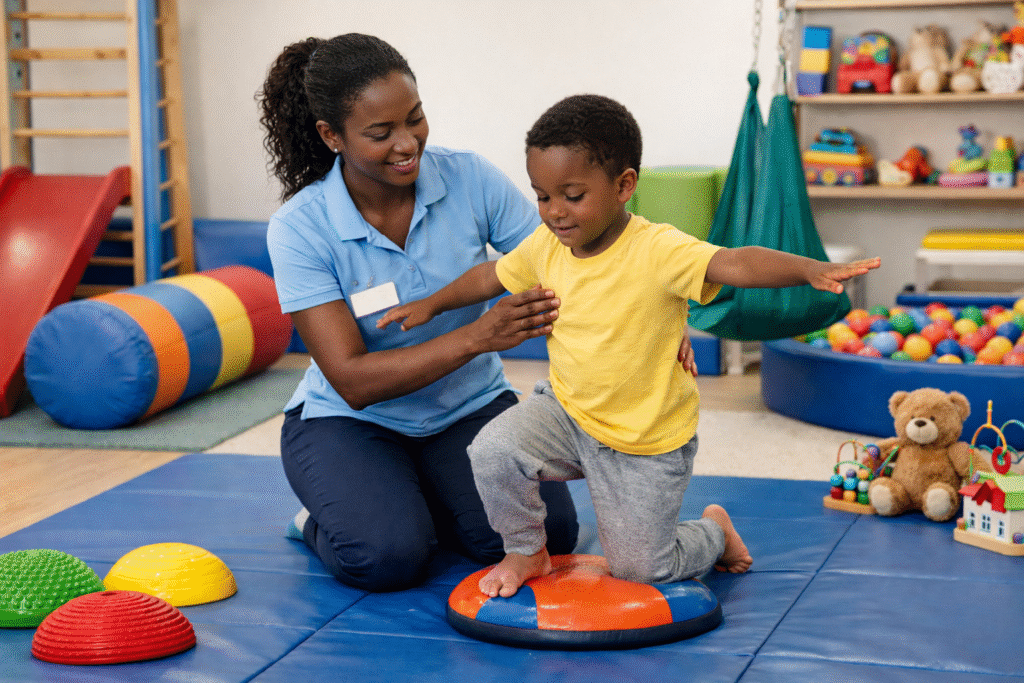
Every child develops at their own pace, but when physical milestones are significantly delayed, parents often feel worried and unsure about what to do next. Difficulty sitting, crawling, standing, walking, or coordinating movements can affect a child’s independence and confidence. This is where pediatric physiotherapy plays an important role.
Physiotherapy for children with developmental delays focuses on improving movement, strength, balance, and coordination. It supports children who need help developing the physical skills required for daily activities. This guide explains what developmental delays are, how pediatric physiotherapy helps, and what parents can expect during child rehabilitation.
Understanding Developmental Delays in Children
Developmental delays occur when a child does not reach expected milestones within the typical age range. These delays can affect one area of development or multiple areas at the same time. In this guide, the focus is on motor development, which includes posture, balance, coordination, and movement.
Some children show delays early in life, while others become noticeable as expectations increase with age. A child may struggle with head control, sitting without support, crawling, walking, running, or climbing stairs. Fine motor skills such as grasping objects, using utensils, or coordinating hand movements may also be affected.
Developmental delays can have many causes. Premature birth, low muscle tone, neurological conditions, genetic disorders, and limited movement opportunities in early childhood can all contribute. In some cases, the cause is unclear. What matters most is recognizing the delay and providing appropriate support through pediatric physiotherapy and child rehabilitation.
What Is Pediatric Physiotherapy?
Pediatric physiotherapy is a specialized form of physiotherapy focused on infants, toddlers, and children. It aims to improve physical function through guided movement, therapeutic exercises, and play-based activities.
Unlike adult physiotherapy, pediatric physiotherapy adapts treatment to a child’s developmental stage. Sessions are designed to be engaging, supportive, and age-appropriate. The goal is not only to strengthen muscles but also to help children learn how to move efficiently and confidently.
Pediatric physiotherapy supports children with developmental delays by improving posture, balance, coordination, and endurance. It helps children gain independence in movement and participate more fully in daily activities at home, school, and play.
How Physiotherapy Supports Motor Skills Therapy
Motor skills therapy focuses on helping children develop both gross and fine motor abilities. Pediatric physiotherapy plays a central role in this process by addressing the physical barriers that limit movement.
For children with weak muscle tone, physiotherapy improves strength and stability. For children with stiffness or a limited range of motion, therapy encourages flexibility and smoother movement patterns. Balance and coordination training helps children feel secure when standing, walking, or changing positions.
Therapists use guided exercises, movement challenges, and play-based tasks to help children practice new skills. These activities are carefully structured to match the child’s abilities while gently encouraging progress. Over time, repeated practice helps the brain and body work together more effectively.
Motor skills therapy also supports posture and alignment. Poor posture can make movement more difficult and increase fatigue. Pediatric physiotherapy helps children develop better body awareness, making everyday tasks easier and more comfortable.
What to Expect During Child Rehabilitation
Child rehabilitation through physiotherapy begins with a detailed assessment. The physiotherapist observes how the child moves, checks muscle strength and flexibility, and reviews developmental history. Parents are encouraged to share concerns, goals, and daily challenges their child faces.
Based on this assessment, the therapist creates a personalized treatment plan. This plan focuses on specific motor goals such as sitting independently, improving walking patterns, or enhancing balance. Therapy sessions may include guided movement, stretching, strengthening exercises, and functional activities.
Sessions are often play-based to keep children motivated and engaged. Toys, obstacle courses, and games are commonly used to encourage movement and repetition. Progress is monitored regularly, and therapy plans are adjusted as the child develops new skills.
Parents are an essential part of child rehabilitation. Therapists provide guidance on activities that can be practiced at home to reinforce progress made during sessions.
Signs Your Child May Benefit from Pediatric Physiotherapy
Parents often wonder when to seek help. While every child develops differently, certain signs may suggest the need for physiotherapy.
A child may have difficulty meeting motor milestones such as rolling, sitting, crawling, or walking. They may appear unusually stiff or floppy when moved. Poor balance, frequent falls, or avoidance of physical play can also indicate challenges.
Some children tire quickly during movement or rely heavily on support to stand or walk. Others may use unusual movement patterns, such as walking on tiptoes or favoring one side of the body. Early assessment through pediatric physiotherapy can help clarify whether support is needed.
Benefits of Early Physiotherapy Intervention
Early intervention is one of the most important factors in successful child rehabilitation. When physiotherapy begins early, children have a greater opportunity to develop strong movement patterns before habits become harder to change.
Pediatric physiotherapy helps improve strength, balance, and coordination, making everyday activities easier. Children often become more confident in their movements, which supports social participation and play. Improved motor skills can also support learning, as physical stability helps children focus and engage in school activities.
Families benefit as well. When a child gains independence in movement, daily routines become smoother and less stressful. Parents gain confidence knowing they are supporting their child’s development in a meaningful way.
Supporting Physiotherapy at Home
Home practice is an important part of motor skills therapy. Simple activities such as supervised floor play, climbing steps, or reaching for toys can reinforce therapy goals. Consistency matters more than intensity.
Parents should follow the physiotherapist’s guidance and avoid forcing movements. Encouragement, patience, and positive reinforcement help children feel safe while practicing new skills. Creating opportunities for movement throughout the day supports steady progress.
When to Seek Professional Support
If concerns about a child’s motor development persist, it is important to seek professional guidance. A pediatric physiotherapist can assess movement patterns and recommend appropriate intervention. Early support does not label a child. Instead, it provides tools that help children reach their potential.
Conclusion and Call to Action
Pediatric physiotherapy plays a vital role in supporting children with developmental delays. Through targeted motor skills therapy and structured child rehabilitation, children can improve movement, build confidence, and gain independence. Early intervention and consistent support make a lasting difference.
If you are concerned about your child’s physical development, professional pediatric physiotherapy can provide clarity and direction. A proper assessment helps identify challenges and create a plan that supports your child’s growth.
Book a pediatric physiotherapy consultation today and take the first step toward supporting your child’s movement and development.